Baccarat is frequently celebrated for its simple rules, but several common myths often mislead those who are new to the table. Newcomers often mistake superficial table trends for actionable strategy or misinterpret how basic rules dictate the flow of play. Clarifying these widespread misconceptions is the best way to build confidence and enjoy a smoother gaming experience.
Believing That Past Trends Predict Future Outcomes
Many beginners carefully examine electronic scoreboards and assume that past streaks guarantee future results. However, every round in baccarat is an independent event with fixed mathematical odds that remain unaffected by previous hands. Relying on visual roadmaps to predict upcoming cards creates a false sense of control over a game driven entirely by chance.
While tracking previous outcomes can make the session feel more engaging, it should never form the basis of a financial strategy. Recognizing that streaks are merely random statistical clusters helps players avoid doubling down on flawed assumptions.
Assuming the Player and Banker Roles Represent Actual Participants
A frequent source of confusion for new players is the terminology used for the two primary hands. People often assume that betting on the Player means wagering on themselves, while the Banker represents the house. In reality, these are simply labels for two competing hands dealt strictly according to predetermined rules.
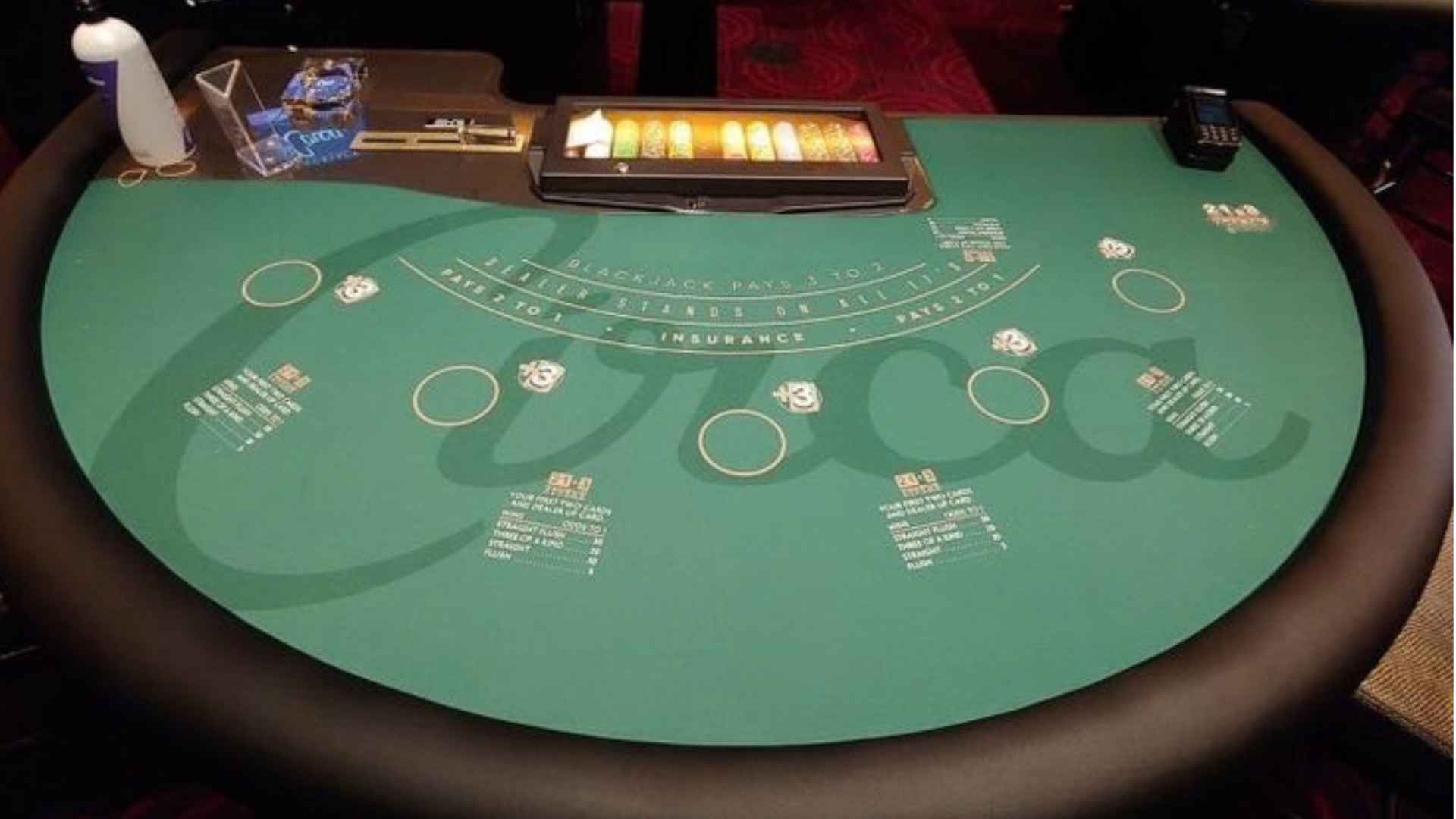
Anyone at the table can freely choose to bet on either outcome regardless of seat position. Understanding this distinction prevents unnecessary hesitation when deciding where to place a wager. You can access reliable gaming resources via the m88 link to explore standard table layouts and clear rule guides.
Overestimating the Effectiveness of Card Counting
Because card counting is a well-known concept in games like blackjack, beginners often assume it works equally well in baccarat. While tracking dealt cards is theoretically possible, the mathematical advantage gained in baccarat is far too minimal to impact standard play. The strict rules governing third-card draws prevent players from altering their decisions based on the remaining deck composition.
Attempting to track individual cards usually leads to distraction rather than better results. Focusing on bankroll management and understanding basic house edges is far more practical than attempting complex counting systems.
Misunderstanding the Third Card Rule as a Player Choice
Newcomers frequently worry that they need to memorize complex drawing charts to know when an extra card is required. In baccarat, neither the player nor the dealer makes tactical decisions regarding additional draws. Every extra card is dealt automatically according to a strict, fixed set of house parameters.
This automated process ensures that participants do not need to worry about making tactical mistakes during play. Sitting back and allowing the dealer to handle hand evaluations makes the game exceptionally accessible once these myths are dispelled.